


Do you want to slim down, but don't want to be constantly hungry?Then pay attention to keto diet!With this diet you can lose weight fast without counting calories or portions.
In the 80-90s, the entire western world (especially America) was obsessed with fear of fat and fatty foods.At the time, it was popular to abandon regular naturally fatty foods in favor of low-fat foods.Products with a very low percentage of fat have filled all supermarket shelves.The logic behind this was that fat contains more calories than carbohydrates.But what people didn't know was that if they ate less fat, they would start eating more carbs to stay satiated.Therefore, during that period, talks about obesity and diabetes started being heard on a large scale.Now it is clear to you why you should not give up natural products containing a sufficient amount of natural fat in favor of a low-fat diet.
What is the keto (ketone) diet?
Keto diet is a diet in which carbohydrate intake is limited and the diet is high in fat and protein.The basic principle of this diet is more fat, less carbohydrate.For example, this diet is stricter than the Atkins diet, where you can eat absolutely any type of fat.It got its name because of the so-called ketones - bodies that are formed during the metabolism of fats, after which they are used as energy, and this process is called ketosis.Carbohydrates are usually used for such purposes, but if there is a shortage of them, the body finds a solution and resorts to fat, which becomes the main source of energy.
Who is the keto diet suitable for?
The keto diet is suitable for those who want to lose weight quickly, as well as for those who have gained the necessary muscle mass and want to get lean.But for those who train in the gym and want to build muscle using this diet, alas, this diet will not be suitable for you.The ketonic diet is a very delicate and complex process that requires you to be able to listen to your body well, which is why even some experienced athletes lose some of their muscles on it.
the basics
In this diet, you need to not only reduce the proportion of all carbohydrates consumed, but also limit the intake of sugar and starch.When you limit starchy and sugar-rich foods as much as possible, your body's blood sugar levels begin to stabilize and insulin levels decrease.Due to this, fat burning increases, and you will not feel full as often.When you limit carbohydrate intake, the body begins to switch from glycolysis (percentage of carbohydrate breakdown) to lipolysis (percentage of fat breakdown).This occurs when glycogen stores in the liver and muscles are completely depleted;Usually these processes begin 2 days after the diet.
What can you eat?
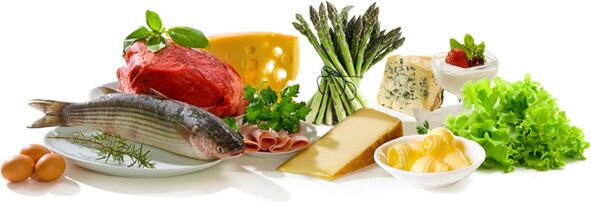
- meat products: Almost any poultry, beef and even pork.You can also eat chicken skin, but it is recommended that it be a domestic chicken that has not been fed.
- sea food: Squid, shrimp, as well as herring, salmon or any other fatty fish without breading.
- eggs: Eggs can be used in any prepared form.
- healthy fats: Use olive or vegetable oil in cooking.Also include omega 3-6 fats in your diet.
- vegetables: You can eat all types of green vegetables and herbs (cabbage, lettuce, asparagus).
- Milk: Sour cream, butter, cream 40%, and fatty cheeses.
- dry fruits: These can often be found in diets, and the keto diet is no exception.
- Jamun: Berries are very beneficial for the entire body, so they can be consumed in small quantities.
Try to choose foods that have a carbohydrate percentage of no more than 6%.
Apart from this, try to drink more water and green tea.
What can't you eat?

- starch: Foods that contain starch (bread, rice, pasta, potatoes) should be excluded as much as possible.
- Sugar: In any form (solid and liquid) should be excluded, it is our most important enemy.All kinds of sweet carbonated drinks, candy bars, ice cream and similar popular products on store shelves – all of them should be excluded from the diet.
- margarine: This product is unnecessary in any diet or just a healthy diet, so forget about it.
- beer: This drink contains a lot of quickly absorbed carbohydrates.
- Fruit: Avoid fruits that contain high sugar (grapes, mangoes, tangerines).
How much should you eat?
Fat – 65%;Protein – 30%;Green vegetables – 5
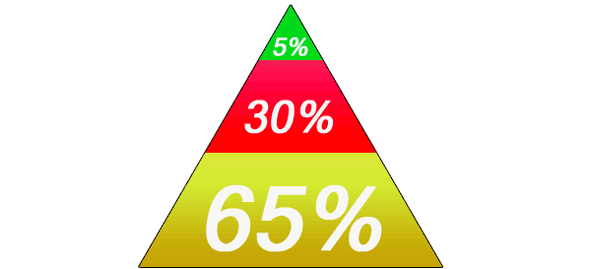
There is a very important rule in the keto diet – the weight of protein should be equal to the weight of fat.There is practically no difference in weight, but if we look at the calorie content, we have a double superiority in favor of fats (fats-9 kcal, proteins-4 kcal), in fact, this is the principle of this diet.Let's say you need to eat 2000 kcal per day, we get:
1300 kcal/145 g - fat;600 kcal/150 g - Protein;(Carbohydrate – 20/30 grams)
We received about 150 grams of protein and carbohydrates, which need to be eaten for the whole day at the rate of 2000 kcal.By the way, the B/F ratio does not affect the parts in any way, it is simply summed up for the whole day.The percentage of protein and fat may vary slightly, but most prefer fat.For example, a diet might consist of 20% protein foods and 75% fat.
Use a calculator to calculate the number of calories you need.Remember that to lose weight you need to create a calorie deficit, so spend 300-500 kcal.More than you eat.
How to follow keto diet correctly?
The diet itself can last from 1 week to 1-2 months (depending on your goals).But first it is advised to use it for 1-2 weeks.The first week should be spent with an increased amount of protein (up to 45%) so that the body does not experience too much stress, as it must gradually adapt to the use of fats.In the second week, you can reduce the protein ratio to 30% and stick to this plan.Exit from the ketone diet should be gradual, that is, the proportion of carbohydrates should not be increased by more than 30 grams per day.In just a few weeks, you can really lose up to 10 kilograms, without tormenting yourself with hunger and counting portions.
What is the difference between low carb and ketone diets?
Low carb diets may contain carbohydrates, usually more than 60 (grams), which is unacceptable for the keto diet.With such an amount of carbohydrates, the body cannot constantly work on fat, since the processes associated with ketosis do not occur.And with the keto diet, the body receives a negligible amount of carbohydrates (or none at all in the diet), and it is forced to operate only on fat.
How does this work?
When you consume too many carbohydrates, only a certain part of them is absorbed in the intestines, and later broken down into simple sugars.Once absorbed, simple sugars increase blood sugar levels, which triggers insulin secretion.This hormone is able to increase the synthesis of not only proteins, but also fats, so it is directly related to the accumulation of fat.
Insulin is produced in the endocrine pancreas.When insulin becomes elevated, it can inhibit fat burning and also store excess nutrients in fat cells.After some time, this can lead to glucose deficiency in the body, which can lead to hunger.As a result of these processes, the brain sends signals and the person tries to saturate his body with food as quickly as possible.This is a continuous cycle that involves fat accumulation processes.
When consuming small amounts of carbohydrates, blood sugar levels rise slowly and often stabilize, not causing large spikes in insulin.This approach allows you to increase the release of fat from fat depots, which increases fat burning.
diabetic patient
If you have diabetes, you will need to check your blood sugar levels more often after starting this diet.By using this diet and limiting yourself to carbohydrates as much as possible, you reduce the need for hypoglycemic medications.If you use the same dose of insulin as before the diet, you can lead yourself to hypoglycemia, so you need to reduce the dose of medications as well.To be as safe as possible, you should consult your personal doctor.If you are absolutely healthy, there is practically no risk of developing hypoglycemia.
Keto diet side effects
When you first start following this diet and stop eating sugar and starches, you may experience some side effects as your body reacts to the changes in diet.On average, such a reaction subsides after a few days.
Popular side effects:
- Sloth.
- Headache.
- Heaviness.
- Erethism.
- Increase in heart rate.
After the body adapts, the side effects disappear.To reduce these, you need to drink more water, and also add some salt to some vegetables, but only a little.
keto diet menu
Breakfast
For breakfast, you can eat no more than 15 grams of carbohydrates, which can come from non-starchy vegetables and cheese.You can also make omelette with 2-4 eggs and fried tomatoes.
lunch
At lunch you should avoid grains, starchy vegetables, sugar, fruits, as well as milk and yogurt.It is also not recommended to abuse carbohydrates, and it is best to limit their intake to 15 grams.For lunch it is best to eat salad, meat or vegetable soup with meatballs without potatoes, noodles and rice.
dinner
For dinner you need to combine green vegetables and meat.You can also add healthy fats in the form of nuts or add vegetable or olive oil to salads.
Breakfast
Your breakfast should contain no more than 5 grams of carbohydrates and include protein and fat.These may include hard-boiled eggs, fish, chicken wings, cucumber, celery and cheese.